
Oktober 2026 bis 30. April 2027
Leitung: Philipp Fleischmann
Bewerbung: ab sofort unter film@schulefriedlkubelka.at
Infoabend: 08. Juni, 18 Uhr, Atelier Neubaugasse
Aufnahmegespräche: 15., 16., 17. Juni
Die SCHULE FÜR UNABHÄNGIGEN FILM WIEN ist eine weltweit einzigartige Artist-run Institution für unabhängigen Film. Seit 2006 fördert sie angehende Filmemacher*innen und bietet Austausch und Mentoring mit nationalen sowie internationalen Filmkünstler*innen.
Das Konzept der Schule basiert auf dem Zitat Dantes „WO DAS KÖNNEN DEM WOLLEN FOLGT“. Dies bedeutet, dass eine Vorstellung, ein leidenschaftliches Interesse an einem Thema und deren Umsetzung auf analogem Filmmaterial im Vordergrund steht.
BEATRICE GIBSON
Citation! Relation!
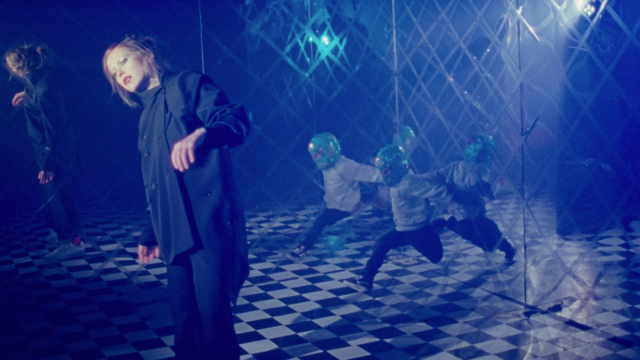
My practice is citational and relational; my films are populated by my immediate and wider community, by friends and influences, living and dead. The individuals in the films, the characters, whether myself, or others, are always situated in a crowd. They propose a relational self, made up of and dependent on connection. A self that runs counter to late capitalism's neoliberal I.. A critical self preoccupied with a politics of feeling and emotion. The characters in the films, play themselves but are collaged with something fictional; they encounter the vertigo of data and input that characterises contemporary life, rewriting and re-issuing themselves. This workshop will explore auto fiction in the context of experimental film. We will mine ourselves for material, craft characters, situations, think about location, mis en scene, soundtrack. We will shoot a little something and review it.
PENG ZUQIANG
From 'How did you do it?' to 'Why do you do it?'
"How did you do it?" is one of the most frequently asked questions at analog screenings and workshops. Many of us are interested in learning the techniques and the machines that were once essential to analog practices, myself included. But beyond the mastery of technical skills, more latent questions remain: What's alongside the formal experiments in our works? Who identifies with the avant-garde celluloid tradition, and who does not? And who has access to certain techniques, equipment, and workshops?
With these thoughts in mind, this workshop aims to divert the focus toward a different question - from 'How did you do it?' to 'Why do you do it?' I try to answer this question in my own works too, and some answers are more successful than others. To think through this question together, the workshop will unfold through readings, discussions, and individual tutorials. The goal is not to arrive at answers, but to open up some space for more questions in the analoge practice.
MANON DE BOER
Unstable Bodies
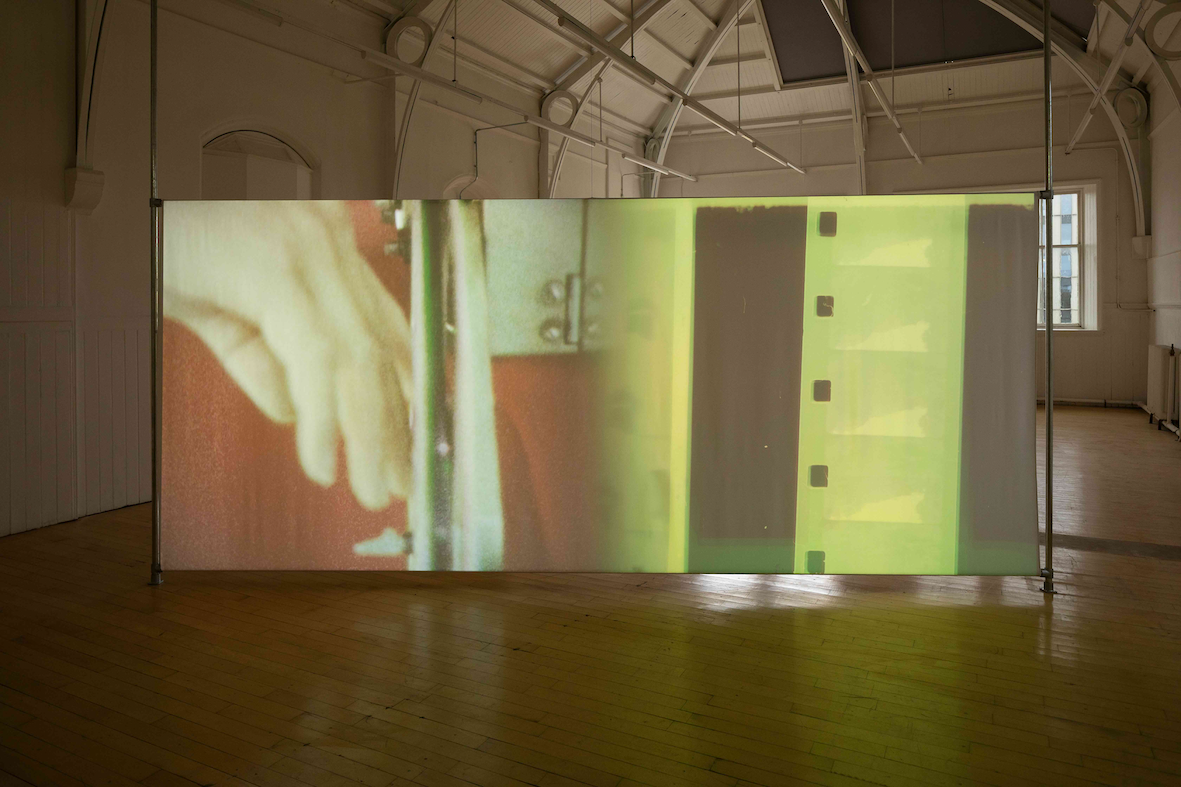
In our current geopolitical climate, there is a strong sense of instability, with many of us feeling as though we are losing our grip on reality. This loss of footing is further reinforced by the virtual reality of screens and information flows, which can easily cause us to lose touch with our own bodies. How, then, can an awareness of the body provide an anchor in reality that enables to engage critically with the film image?
We will explore how the physical presence and materiality of 16 mm film enter into dialogue with the viewer's body in space and time, foregrounding the instability of memory and perception, the experience of time, and the sensorial qualities of image and sound.
In Kooperation mit dem Belvedere 21
PHILIPP FLEISCHMANN
A Paragraph, A Sentence
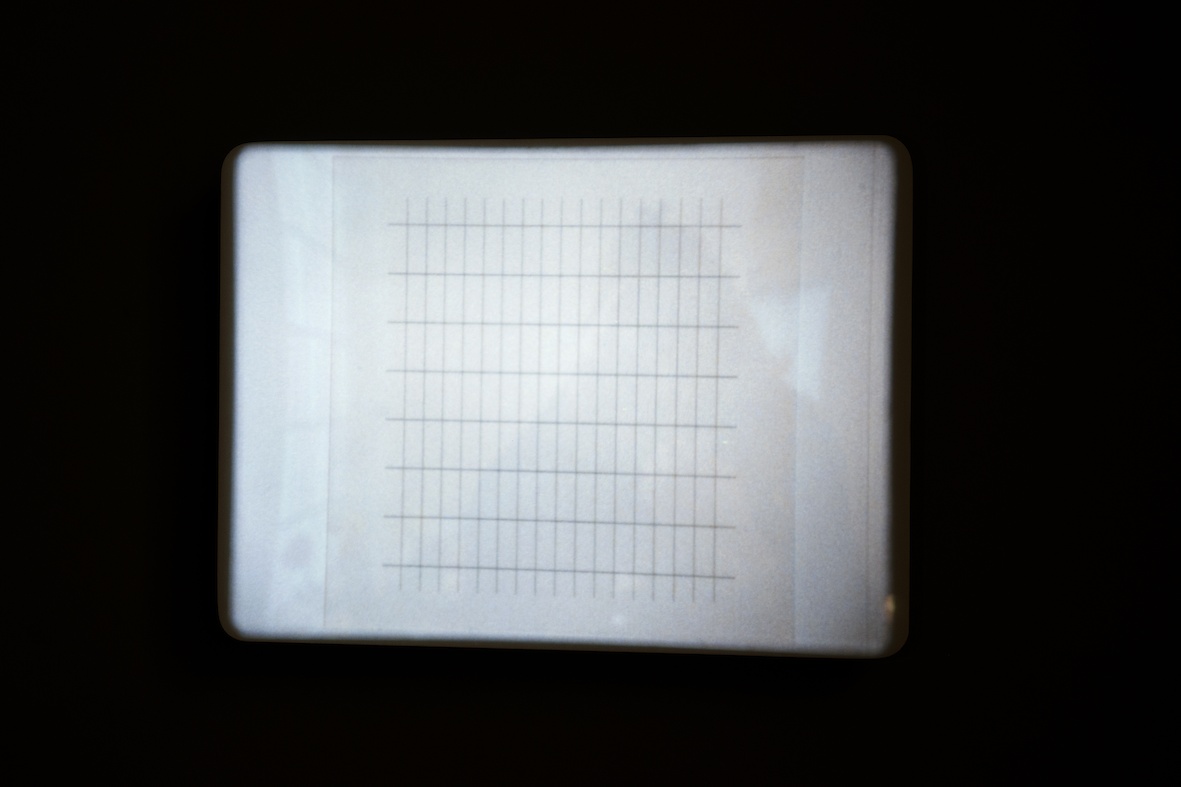
As artists, we are often curious how other artists make their work—what motivates them, what drives them, how they continue, how they succeed. One important resource are texts written by artists about their own practice. There is a particular urgency in these writings: a need to express, to share, to convince, which an external writer cannot have in the same way. In this workshop, we will read texts by filmmakers about their own filmmaking—not only to understand their work, but also to reflect on our own needs. I propose that each of us finds a paragraph, a sentence that touches an individual truth, and uses it as a starting point for a film.
SIEGFRIED A. FRUHAUF
Mixed Media
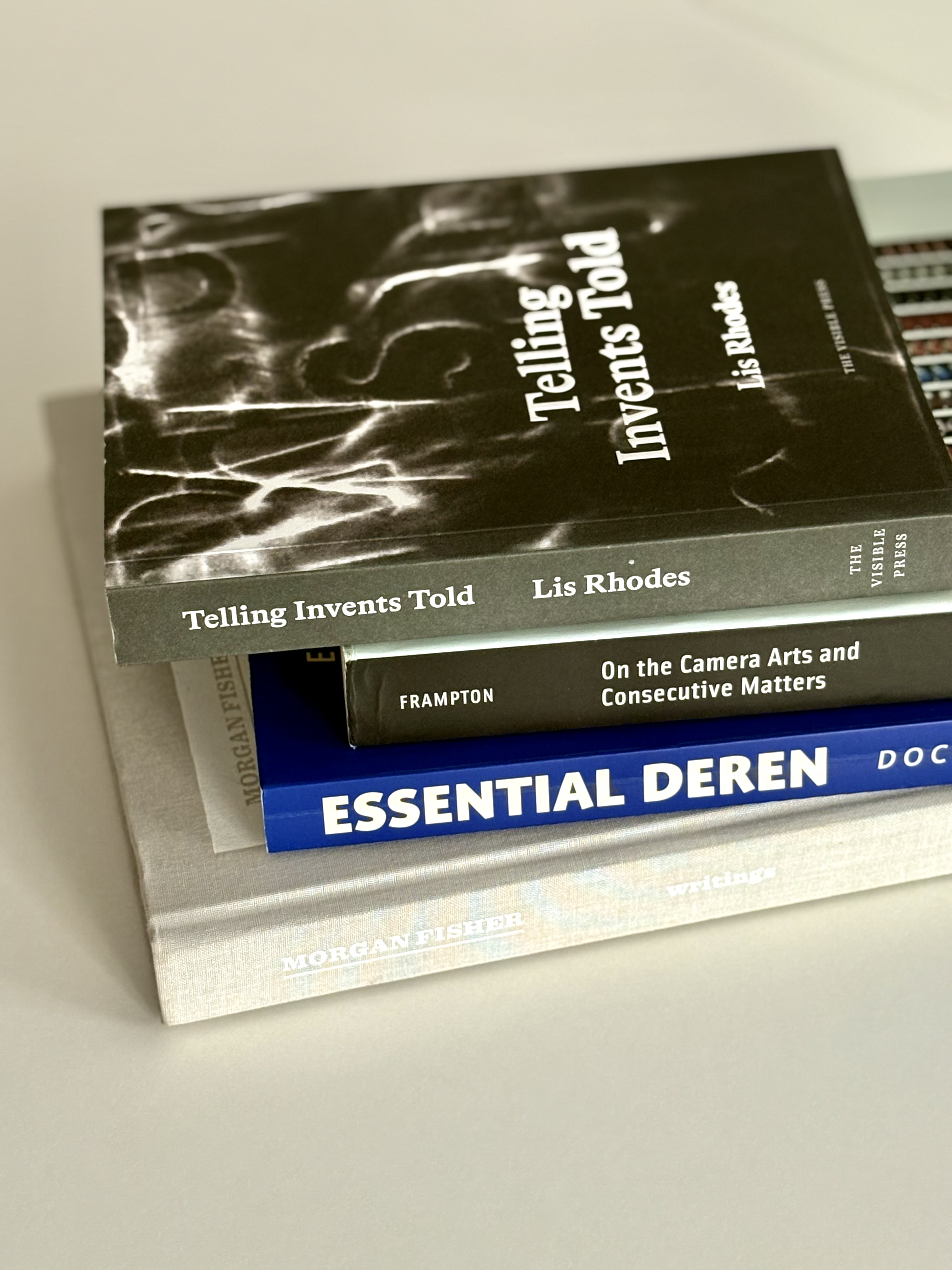
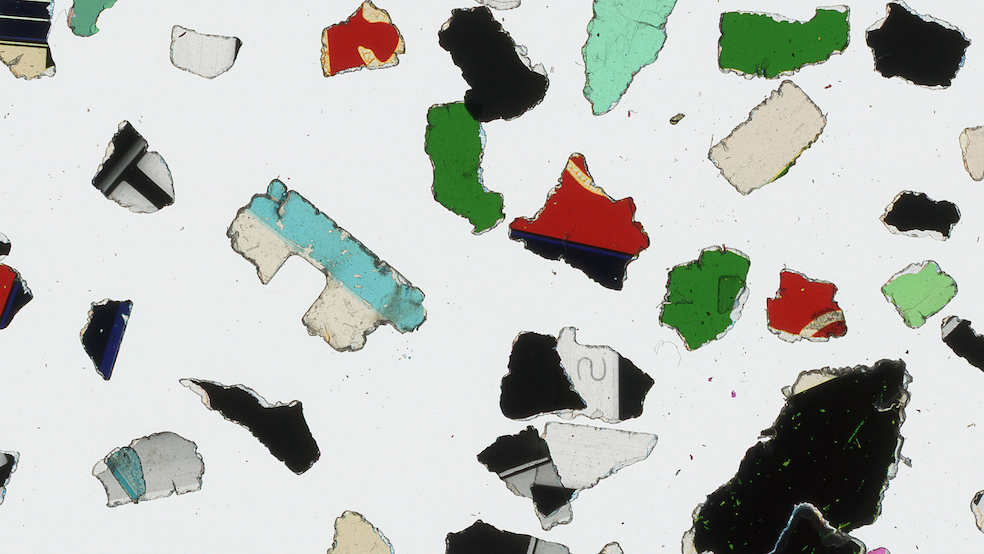
In meiner Kindheit hatten wir noch Schwarzweiß?Fernsehgeräte, mein erster veröffentlichter Film war ein 16mm Film, meine erste eigene Kamera eine Video8-Kamera, und in meiner Jugend begann man, Videos digital zu schneiden. Das veranschaulicht gut, in welchem Bewegtbildumfeld sich meine Mediensozialisation verorten lässt. Mediale Umbrüche haben meine künstlerische Arbeit stets geprägt, und so sind meine Arbeiten heute häufig eine Mischung unterschiedlichster Bewegtbildmedien. Der Titel des Workshops „Mixed Media" greift eine in der bildenden Kunst geläufige Bezeichnung für die Kombination verschiedenster Materialien und Techniken auf und nimmt sie beim Wort. Unterschiedliche Medien werden in einen Mixer gegeben und gründlich durchmischt. Physische Trägermedien werden miteinander verschränkt. Im Vordergrund steht dabei stets die haptisch?taktile Qualität des Materials. Mittels Kontaktkopie wird dieses Material anschließend wieder auf analoges Filmmaterial übertragen, sodass in dieser Zusammenführung ein mediales Hintergrundrauschen aufflackert und zwischen Lichtspuren und Kratzern zu flirren beginnt.
RAINER FRIMMELDie Wirklichkeit ist immer anders
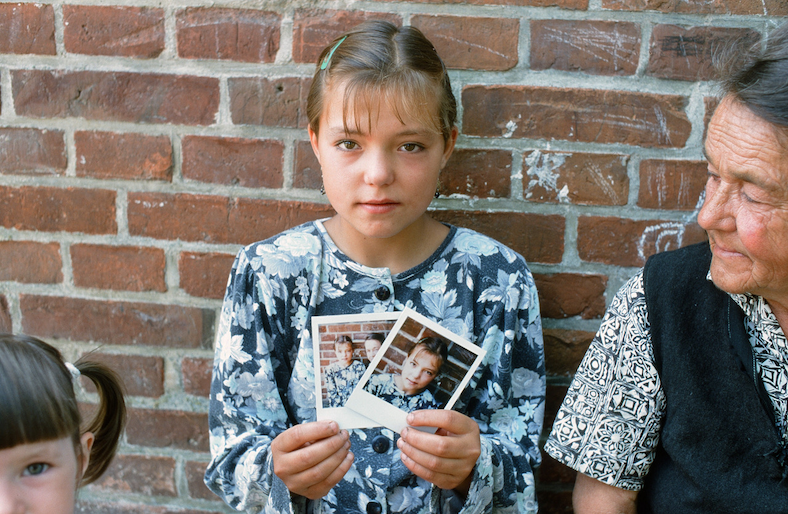
Die analoge Fotografie bildet stets den Ausgangspunkt meiner Filmprojekte und dient mir als erster Zugang auf der Suche nach einer Wahrheit, die mehr ist als die Reproduktion von Wirklichkeit. Mit der 16-mm-Filmkamera versuche ich dieser Wahrheit sowohl im Dokumentarfilm als auch im Fiktionalen einen Schritt näher zu kommen. Ich werde einen Einblick in meine Arbeitsweise geben und gemeinsam werden wir eine praktische Übung mit 16mm-Film und längeren Kameraeinstellungen durchführen.
STEFANIE REISINGER
film – Film – FILM
This three-part lecture series situates experimental film as an artistic practice within specific tensions of social and political upheaval, tracing its development through exemplary constellations. The arc is wide, the history complex — accordingly, this series should be understood as an approach and an exploration, not as a closed or canonical claim.
1919–1954: From Insecurity to Independence
The first chapter examines the international beginnings from the interwar period through the end of the Second World War. Film here must first be understood as a technical innovation that necessarily bears an experimental character: without stable rules or narrative conventions, an open field of aesthetic exploration emerges for a new medium. From the early works of the Lumière brothers and Alice Guy to the avant-garde image experiments of Hans Richter and Fernand Léger, we see how closely cinematic innovation is bound up with social crisis, the accelerating experience of modernity, and ideological shifts.
In Austria, an independent scene remains largely invisible during this phase — not least as a consequence of political instability, institutional ruptures, and the absence of production infrastructure. "Independence" here designates less an achieved condition than a precarious possibility.
1955–1990: From Independence to Individuality
The second chapter begins in postwar Austria and reads avant-garde film between 1955 and 1990 — in the context of national independence — as a conscious counter-movement to the industrialization of cinema. Experimental film establishes itself in this period as a resistant practice that refuses the economic, narrative, and aesthetic norms of the mainstream.
Austria develops a central position in international film and art history: artists such as Peter Kubelka and Kurt Kren push the boundaries of perception, temporality, and materiality. Within the context of the feminist avant-garde, VALIE EXPORT's Expanded Cinema works move cinema out of the apparatus of the darkened hall and into social reality, exposing the voyeuristic gaze as a structural condition of society. The body itself becomes both medium and site of political contestation.
In this entanglement of formal radicality, institutional grounding, and feminist critique, the focus shifts from independence as a condition of production toward individuality: the artist film and its authors assert themselves as an autonomous artistic practice. In parallel, an institutional infrastructure takes shape — through the Austrian Film Museum, the Austria Filmmakers Cooperative, and sixpackfilm — that stabilizes these developments and makes them internationally visible.
1991–2026: From Individuality to Community
The third chapter traces developments since 1991 and situates them within an increasingly globalized and mediatized context. With digitization, not only do technical possibilities expand, but the fundamental conditions of production, distribution, and reception shift as well. Film increasingly detaches itself from its classical apparatus and circulates between cinema, installation, the internet, and performative contexts.
This does not proceed linearly: artists working with film initially confront a clear institutional divide. They must largely decide whether their work will be received within the context of fine art or within filmic structures. Of the integrative aspirations of the historical avant-gardes — to bring the arts together — little is initially felt on an institutional level: cinema and the white cube operate as separate regimes of reception, each with its own logic. Only since the 2010s can a renewed convergence be observed, a stronger turn toward cross-media practices that consciously engage fine art institutions as well.
In parallel, digitization leads not to a displacement but to a critical renewal of analog practices: in experimental film in particular, analog film is increasingly employed not only as a deliberate formal choice but as a political one — as resistance to acceleration, standardization, and normalization, and thereby simultaneously as a form of implicit institutional critique. Also characteristic is a shift toward collective and collaborative modes of working, and toward informal sites of production and distribution. Initiatives such as the School Friedl Kubelka for Independent Film and filmkoop Wien create spaces for self-organized production, the transmission of knowledge, and subversive networks. In this movement, the focus shifts from the autonomous work toward shared practice — production becomes inseparable from questions of access, visibility, and structural power.
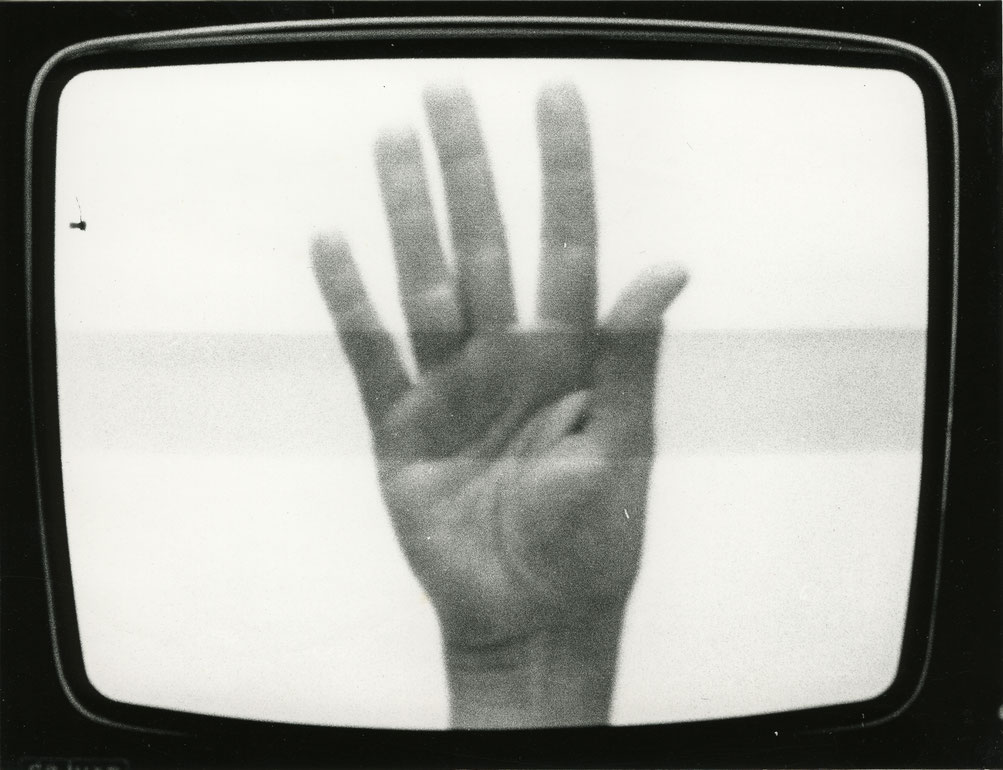
Bild: VALIE EXPORT, Schnitte / Elemente der Anschauung, 1971-74 @VALIE EXPORT
EIN ABEND MIT
FRIEDL VOM GRÖLLER
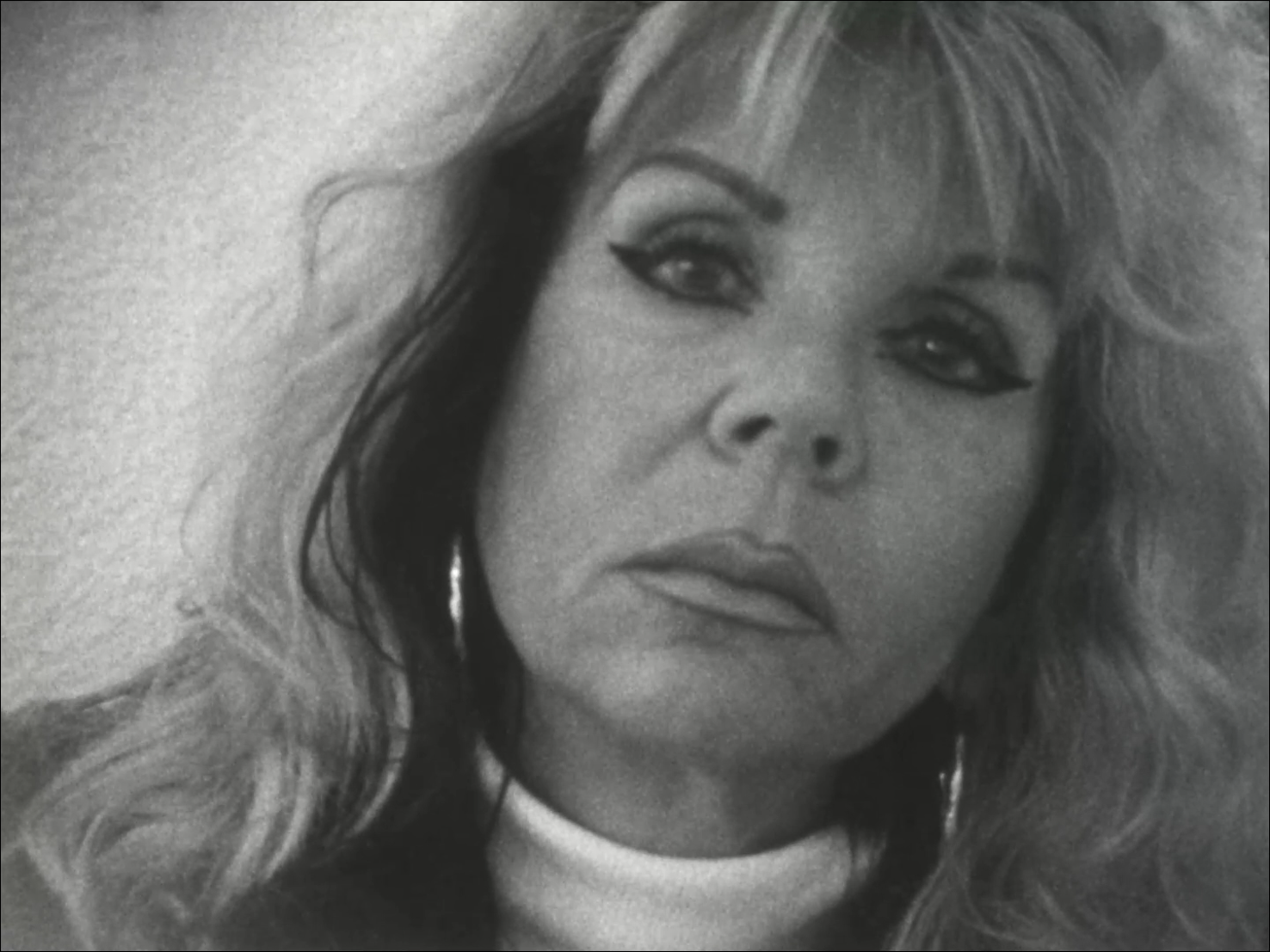
Ein Abend mit der Künstlerin
TOXISCHE POMMES
„Die hässlichen Seiten des Lebens"
Getrieben von ihrer Begeisterung für die hässlichen Seiten des Lebens parodiert toxische Pommes gesellschaftliche Phänomene und entlarvt sie gerne auch mal dort, wo es wehtut. Neben ihren satirischen Kurzvideos, für die sie 2024 mit dem österreichischen und 2025 mit dem Bayerischen Kabarettpreis ausgezeichnet wurde, bespielt sie verschiedene Bühnen im deutschsprachigen Raum. Nach „Ketchup, Mayo & Ajvar" ist „Wunschlos unglücklich" ist zweites Solobühnenprogramm. 2024 ist ihr Debütroman „Ein schönes Ausländerkind" bei Zsolnay erschienen.
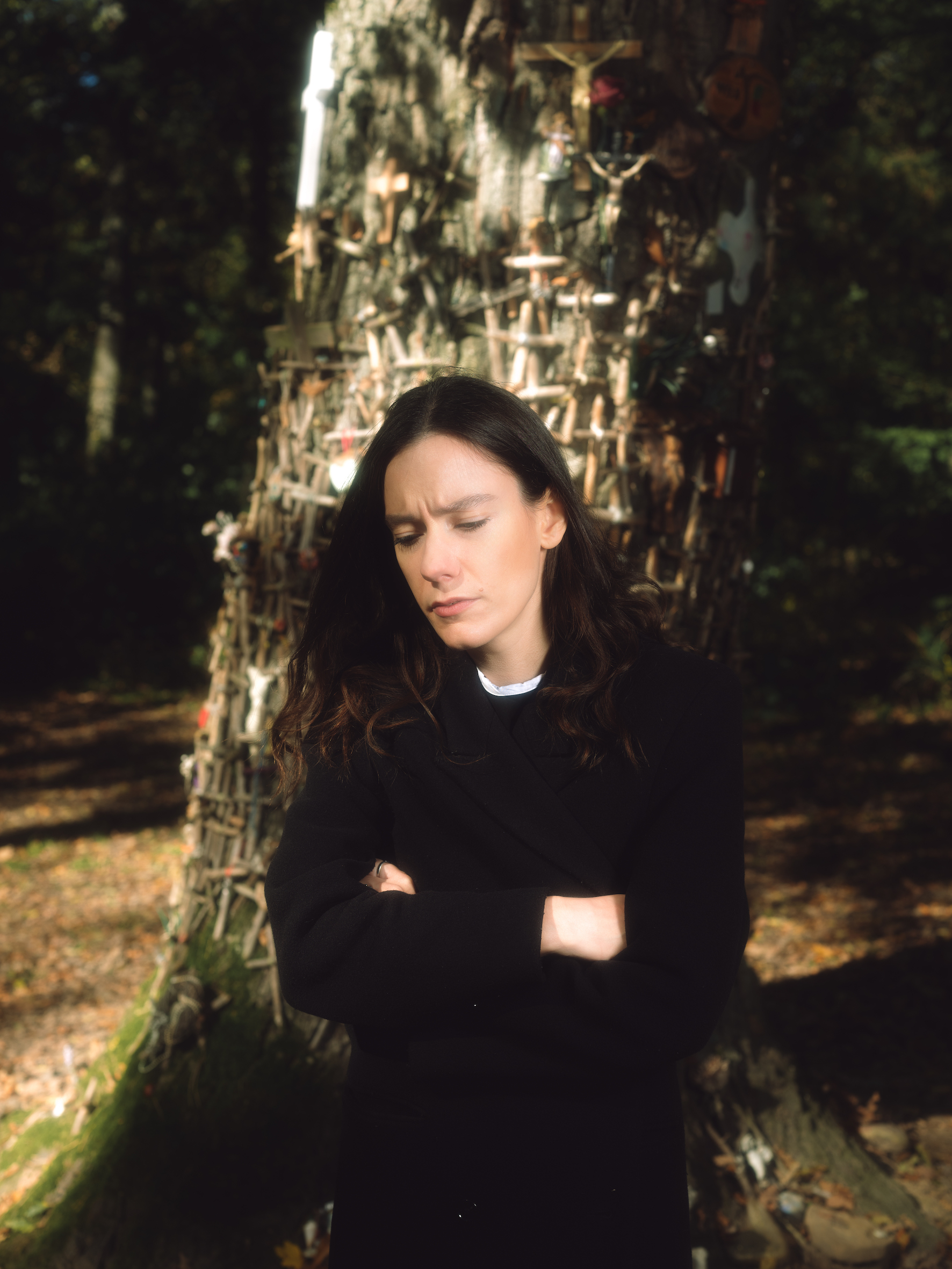
Foto: Muhassad Al-Ani
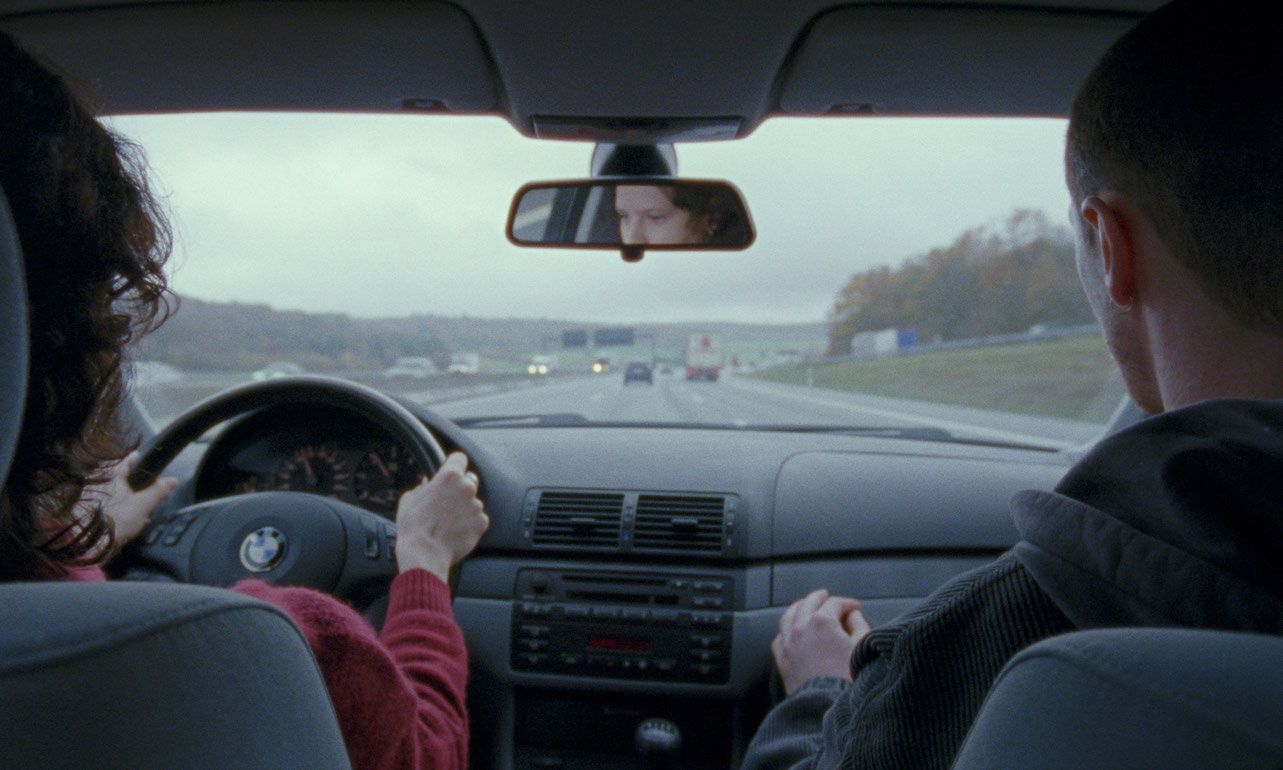
ISABELLA BRUNÄCKER
Be bold!
In a time when almost everything seems possible, self-doubt still manages to persist. This artist talk reflects on my work as a filmmaker and on the way ideas turn into films, using my feature film Sugarland as an example. Rather than presenting a polished success story, I want to focus on the messy, often uncomfortable process of committing to an idea before it feels justified. The lecture is an invitation to embrace uncertainty, to be bold in the face of hesitation, and to understand courage not as confidence, but as the willingness to continue despite doubt.
MAX KOLLER
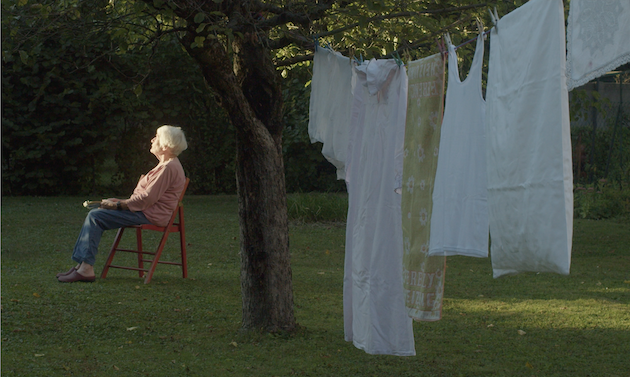
Grammatiken den Sehens
Mich interessiert das Kino dort, wo die Sprache endet. Wovon man nicht sprechen kann, darüber muss man einen Film machen. Ich möchte mich mit Film als Sprache jenseits der Hegemonie des Wortes beschäftigen. Sehen, bevor man benennen kann.
Im Rahmen eines Vortrags möchte ich meine Arbeiten zeigen und über die unterschiedlichen Prozesse reflektieren, welche zu diesen geführt haben.
ZEITEINTEILUNG
- Workshops: Do 18–20 Uhr, Fr, Sa, So jeweils fünf Stunden
- Vortragsabende: 18-20 Uhr
- Ateliertag: Dienstag von 10 - 17 Uhr, Nutzung der Dunkelkammer nach Vereinbarung
- Jeden Dienstag: Zyklisches Programm „Was ist Film“ / Österreichisches Filmmuseum
- Einzelgespräche: nach Vereinbarung
- Projektbetreuung Unabhängiger Film: nach Vereinbarung
Team Filmschule: Magdalena Pfeifer, Melisande Seebald, Sophie Lux, Lizzy Loos, Salvatore Viviano, Philipp Fleischmann